Trauma
TRAUMA & POST-TRAUMATIC STRESS
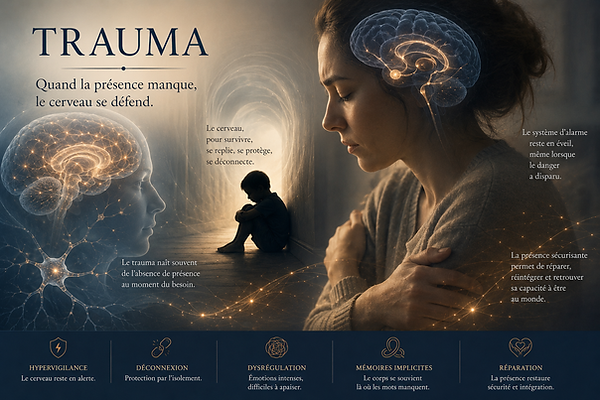
What trauma does to the brain
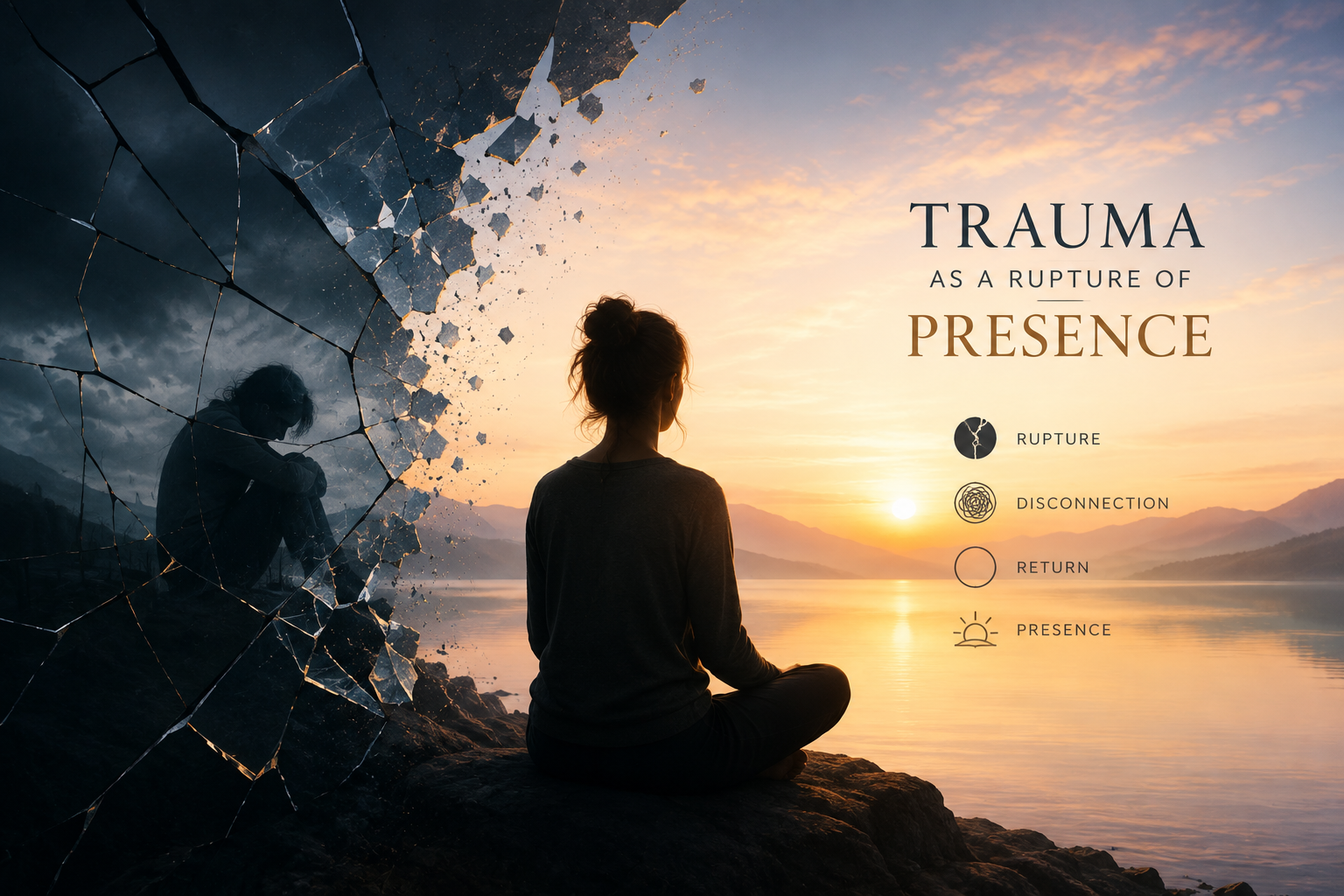
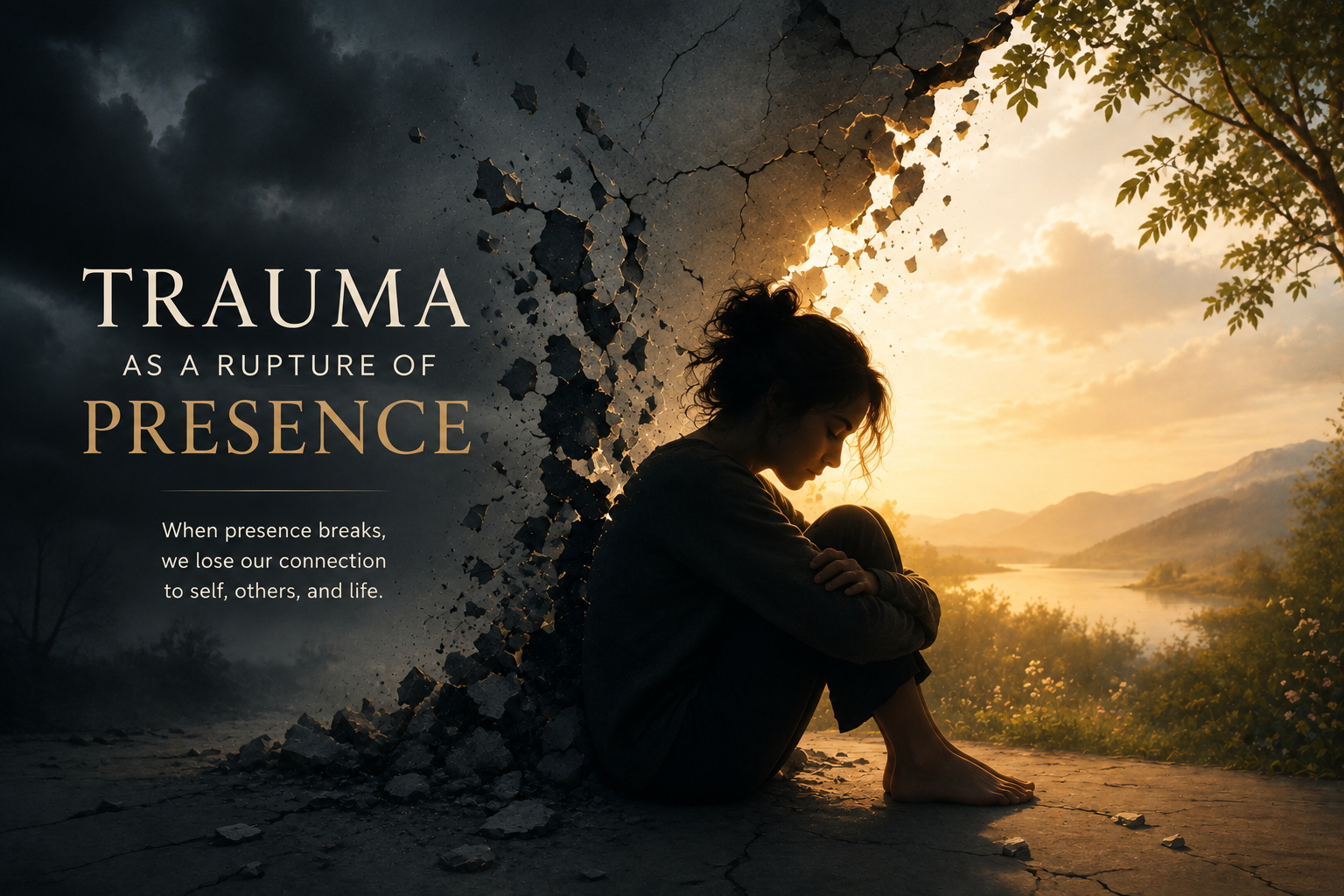
Trauma as a rupture of presence
How I work
Trauma psychotherapy is not about erasing the past. It aims to gradually allow the brain and nervous system to move out of certain survival states that have become overwhelming, in order to regain greater inner security, emotional flexibility, and freedom in daily life.
My approach integrates EMDR, complex trauma-focused therapies, schema therapy, emotional regulation approaches, and insights from contemporary neuroscience, particularly polyvagal theory. It also emphasizes the therapeutic relationship itself, which is often a crucial element in the healing process.
The pace is always yours. The work is built gradually, respecting your history, your resources, and what you are ready to go through at each stage of the process.
The pace is always yours. The work is built gradually, respecting your history, your resources, and what you are ready to go through at each stage of the process.
Sessions can take place in person in Marseille or via secure teleconsultation, for people in France as well as internationally.
Related Resources
Depending on your situation, you can also consult
EMDR – Understanding how reprocessing difficult memories can promote psychological healing.
Attachment – Understanding how the brain gradually learns whether it can rely on the presence of others.
Borderline Personality Disorder – Understanding the difficulties of emotional and relational regulation.
Anxiety – Understanding the mechanisms of worry, hypervigilance and panic attacks.
Depression – Exploring the link between mental exhaustion, loss of momentum and feelings of disconnection.
Couple therapy – Understanding relationship dynamics and attachment difficulties in the couple.
Consultations – Practical information on consultations in Marseille or via teleconsultation.
For a more in-depth reflection on the neuroscience of presence, you can also visit the section The Brain of Presence.
CONTACT FORM & APPOINTMENT BOOKING
BORDERLINEt Understanding the brain gradually learns whether it can rely on the presence of others.